
إن
دليل بسيط لاختيار أدوات حفر الصخور من كربيد التنجستن
أخبار الصناعة-لماذا يهيمن كربيد التنجستن على تطبيقات حفر الصخور
أصبحت أدوات حفر الصخور من كربيد التنجستن هي المعيار الصناعي للتعدين واستغلال المحاجر والبناء والاستكشاف الجيولوجي لأنها تصمد في ظل ظروف من شأنها تدمير الأدوات الفولاذية العادية في غضون دقائق. كربيد التنغستن أقوى مرتين إلى ثلاث مرات تقريبًا من الفولاذ ويحافظ على صلابته حتى في درجات الحرارة المرتفعة الناتجة عن الاحتكاك بالصخور. وهذا يعني أن لقمة الحفر المزودة بكربيد التنجستن يمكنها الدفع عبر الجرانيت أو البازلت أو الكوارتزيت لساعات دون أن تفقد حد القطع.
المادة نفسها عبارة عن جزيئات مركبة من كربيد التنغستن مرتبطة ببعضها البعض بمعدن مثل الكوبالت، والذي يعمل بمثابة غراء يثبت حبيبات الكربيد الصلبة في مكانها. يمنح هذا المزيج الأداة الصلابة (لمقاومة التآكل) والمتانة (لمقاومة التشقق تحت التأثير)، وهو توازن لا يستطيع الفولاذ الصلب النقي تحقيقه. ولهذا السبب فإن كل أدوات حفر الصخور الموجودة في السوق اليوم تقريبًا، بدءًا من المطارق الدوارة المحمولة الصغيرة وحتى آلات حفر الأنفاق الضخمة، تعتمد على إدخالات أو أطراف كربيد التنجستن.
الأنواع الشائعة لأدوات حفر الصخور من كربيد التنجستن
ليست كل مهمة حفر تتطلب نفس الأداة. اعتمادًا على نوع الصخور، قطر الثقب، وطريقة الحفر، يتم استخدام تصميمات مختلفة لأدوات كربيد التنجستن للحصول على أفضل أداء وأطول عمر خدمة.
بت زر
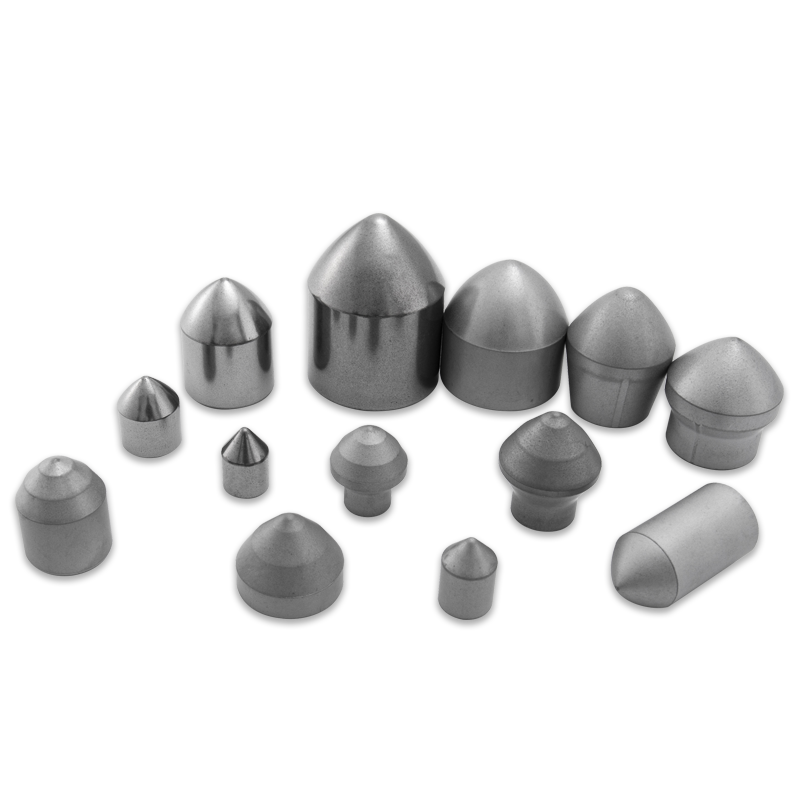
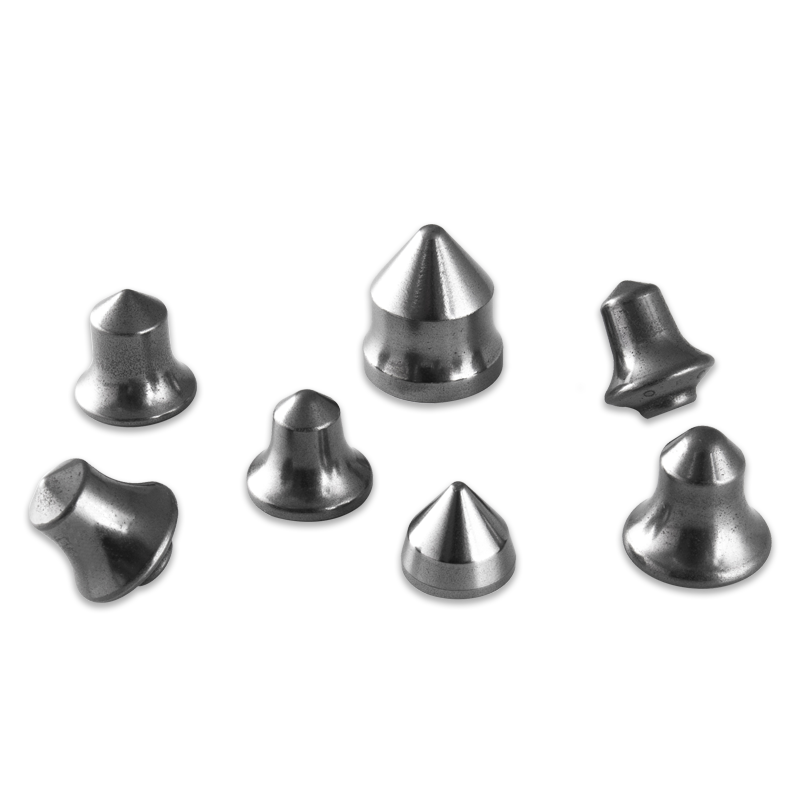
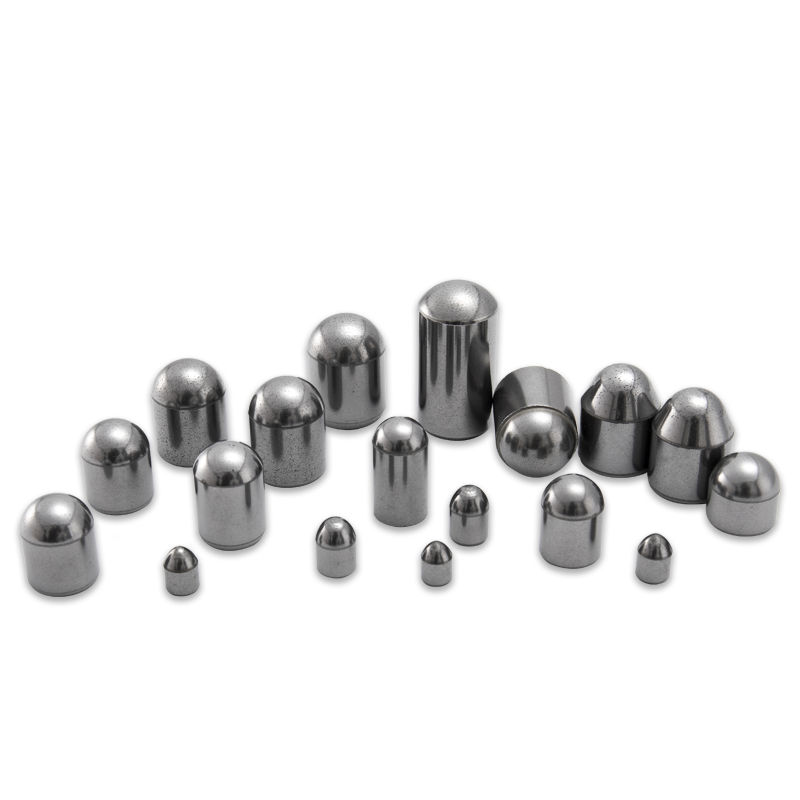
تتميز لقم الأزرار بإدراج كربيد التنجستن الدائري المضغوط في جسم من الفولاذ. هذه هي الاختيار الأمثل للحفر الإيقاعي في الصخور الصلبة والكاشطة لأن الأزرار المستديرة توزع ضغط التأثير بالتساوي وتقاوم التقطيع. يتم استخدامها على نطاق واسع في حفر حفرة الانفجار، وحفر آبار المياه، وربط الصخور.
البتات المتقاطعة والبتات من النوع X
تستخدم البتات المتقاطعة حافة كربيد التنجستن على شكل إزميل مرتبة في نمط متقاطع أو X. إنها تقطع بكفاءة في الصخور الناعمة إلى المتوسطة الصلابة وتشتهر بالثقوب ذات القطر الأصغر في أعمال البناء والمحاجر، على الرغم من أنها تتآكل بشكل أسرع من لقم الأزرار في التكوينات شديدة الصلابة.
بتات DTH (أسفل الحفرة).
تحمل لقم DTH آلية المطرقة إلى أسفل البئر نفسها، مما يوفر ضربات قوية ومركزة مباشرة على سطح الصخر من خلال أزرار كربيد التنجستن. يقلل هذا التصميم من فقدان الطاقة عبر سلاسل الحفر الطويلة، مما يجعله مثاليًا لحفر الثقوب العميقة في تطبيقات التعدين وآبار المياه.
بت تريكون
تستخدم قطع Tricone ثلاثة مخاريط دوارة مرصعة بإدراج كربيد التنجستن. عندما تدور اللقمة، تسحق المخاريط وتحفر الصخور في وقت واحد. هذه القطع شائعة في التنقيب عن النفط والغاز، بالإضافة إلى حفر حفرة الانفجار ذات القطر الكبير، حيث تتضمن سرعة دوران عالية ووزنًا ثقيلًا على لقمة الحفر.
مطابقة درجات كربيد التنغستن لظروف الصخور
لا يتم إنشاء كل كربيد التنغستن على قدم المساواة. يمزج المصنعون أحجامًا مختلفة من حبيبات الكربيد ومحتوى الكوبالت لإنتاج درجات مناسبة لظروف صخرية محددة. يعد اختيار الدرجة الخاطئة أحد الأسباب الأكثر شيوعًا لفشل أدوات الحفر قبل الأوان.
| درجة كربيد | محتوى الكوبالت | الأنسب ل |
| الحبوب الناعمة، الكوبالت المنخفض | 6-8% | الصخور الصلبة شديدة الكشط |
| حبوب متوسطة، كوبالت متوسط | 9-11% | الأغراض العامة، التشكيلات المختلطة |
| الحبوب الخشنة، نسبة عالية من الكوبالت | 12-16% | الصخور المكسورة أو عالية التأثير |
كقاعدة عامة، يزيد المحتوى العالي من الكوبالت من المتانة ولكنه يقلل قليلاً من مقاومة التآكل، في حين أن المحتوى المنخفض من الكوبالت يزيد من الصلابة ولكنه يجعل الأداة أكثر عرضة للتقطيع تحت تأثير شديد. يعمل مقاولو الحفر عادةً مع موردي الأدوات لتحديد درجة تم ضبطها وفقًا للتكوين الصخري المحدد الذي يتوقعون مواجهته في الموقع.
العوامل الرئيسية التي تؤثر على عمر الأداة
حتى الأفضل أدوات حفر الصخور كربيد التنغستن تبلى في النهاية، ولكن مدى السرعة يعتمد بشكل كبير على ظروف التشغيل. إن فهم هذه العوامل يساعد أطقم الحفر على تحقيق أقصى استفادة من كل جزء.
- كشط الصخور، الصخور الغنية بالكوارتز ترتدي الأدوات بشكل أسرع بكثير من الصخور الرسوبية الناعمة
- سرعة الدوران والدفع المطبق، والقوة المفرطة تعمل على تسريع التآكل وزيادة خطر الكسر
- تؤدي كفاءة التنظيف وسوء إزالة قطع الصخور إلى إعادة الطحن وتراكم الحرارة
- تؤدي المحاذاة والاهتزاز، وسلاسل الحفر المنحرفة إلى خلق ضغط غير متساوٍ على إدراجات الكربيد
- التبريد والتشحيم، والتبريد غير الكافي يزيد من خطر التشقق الحراري في الكربيد
يميل المشغلون الذين يراقبون هذه المتغيرات عن كثب إلى رؤية عمر أطول بكثير للبتات وعدد أقل من التغييرات غير المخطط لها في الأدوات، وهو ما يترجم مباشرة إلى انخفاض تكاليف الحفر لكل متر.
علامات تشير إلى أن أداة الحفر الخاصة بك بحاجة إلى الاستبدال
إن معرفة متى يتم استبدال أداة حفر الصخور البالية من كربيد التنجستن يمكن أن يمنع التوقف المكلف وتجنب تلف معدات الحفر الأكثر تكلفة في السلسلة.
- معدل اختراق أبطأ بشكل ملحوظ مقارنة بما كان عليه عندما كانت القطعة جديدة
- تسطيح أو تقطيع واضح على أزرار أو إدراجات الكربيد
- زيادة الاهتزاز أو الضوضاء غير العادية الصادرة عن سلسلة الحفر
- ظهور شقوق حول خط الرابطة من الكربيد إلى الفولاذ
- يشير نمط التآكل غير المتساوي إلى أن لقمة الحفر لم تعد تقطع ثقبًا دائريًا حقيقيًا
أفضل الممارسات لصيانة أدوات حفر الصخور
تعمل الصيانة المناسبة على إطالة عمر العمل لأدوات الحفر من كربيد التنجستن وتحافظ على سير عمليات الحفر بكفاءة. تُحدث بعض العادات فرقًا ملموسًا على مدى عمر برنامج الحفر.
تدوير وفحص بانتظام
تسمح القطع الدوارة بشكل دوري وفحص إدخالات الكربيد بحثًا عن علامات التآكل المبكرة للطاقم باكتشاف المشكلات قبل أن تفشل الأداة تمامًا في منتصف الحفرة، الأمر الذي قد يكون إصلاحه أكثر تكلفة بكثير من الاستبدال المجدول.
تخزين الأدوات بشكل صحيح بين المهام
كربيد التنغستن صلب ولكنه هش، لذا فإن إسقاط القطع أو تكديسها بلا مبالاة في التخزين يمكن أن يسبب شقوقًا صغيرة مخفية تؤدي إلى فشل مفاجئ لاحقًا. يؤدي تخزين الأدوات في الرفوف أو الحاويات المبطنة إلى حماية حواف الكربيد من أضرار الصدمات غير الضرورية.
اختيار مورد موثوق لأدوات حفر الصخور
إن الحصول على أدوات حفر الصخور من كربيد التنجستن من شركة مصنعة ذات سمعة طيبة لا يقل أهمية عن اختيار التصميم المناسب. يمكن أن تؤدي جودة الكربيد غير المتسقة، أو ضعف الترابط بين الكربيد والجسم الفولاذي، أو المعالجة الحرارية غير الدقيقة، إلى فشل مبكر في هذا المجال. ابحث عن الموردين الذين يقدمون وثائق واضحة عن درجة الكربيد ونتائج اختبار الصلابة وعمليات مراقبة الجودة. يعد طلب وحدات البت النموذجية للتشغيل التجريبي على نوع الصخور المحدد الخاص بك أحد أكثر الطرق الموثوقة للتأكد من أن الأداة ستعمل كما هو متوقع قبل الالتزام بطلب مجمع.
الأفكار النهائية حول تحقيق أقصى استفادة من أدوات الحفر الخاصة بك
تعد أدوات حفر الصخور من كربيد التنجستن استثمارًا كبيرًا لأي عملية تعدين أو بناء أو استكشاف، كما أن الحصول على حق الاختيار ومطابقة الدرجة والصيانة يؤتي ثماره بسرعات حفر أسرع وتكاليف إجمالية أقل. من خلال فهم أنواع البتات المختلفة، ومطابقة درجات الكربيد مع ظروف الصخور الخاصة بك، ومراقبة العلامات المبكرة للتآكل، يمكن لفرق الحفر إطالة عمر الأداة بشكل كبير وتقليل وقت التوقف غير المخطط له في الموقع.
منتجاتنا //
المنتجات ذات الصلة